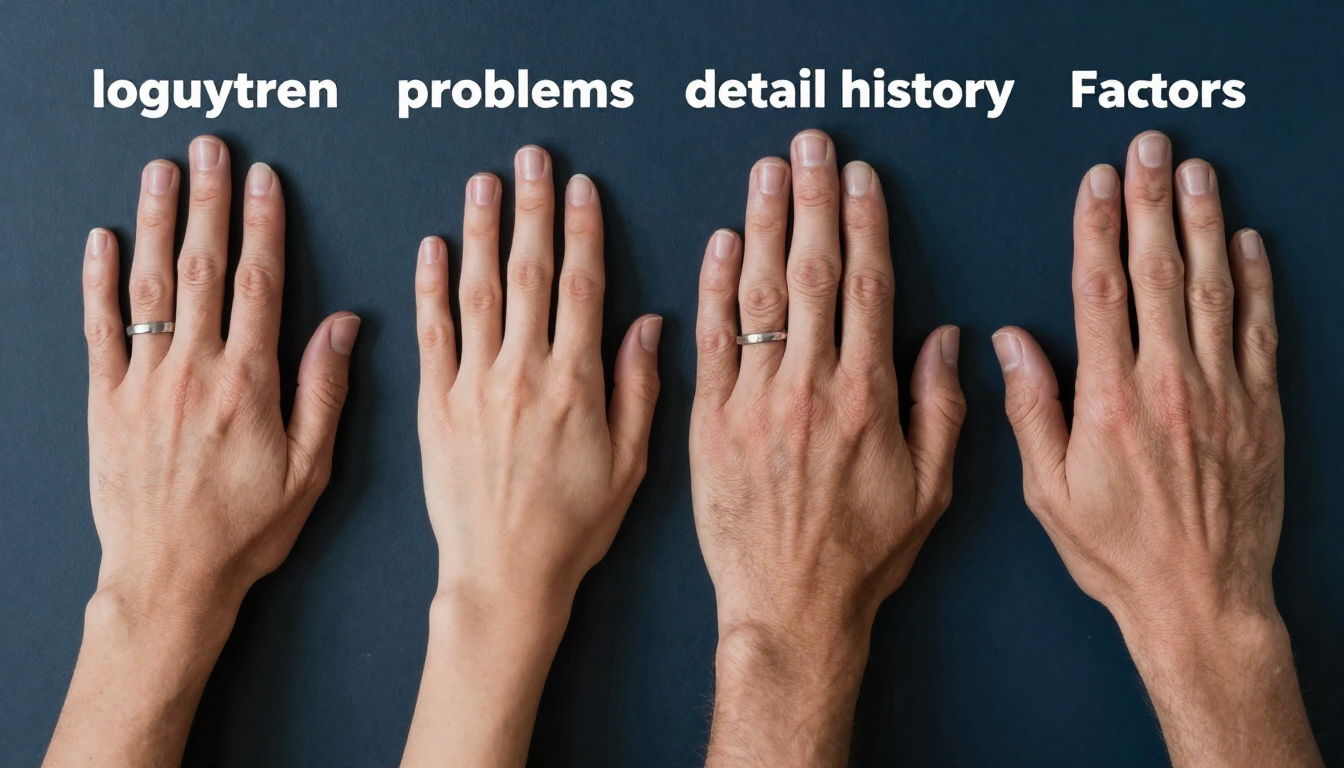
Have you ever noticed your fingers acting a bit strange? Maybe they feel stiff or start to curl inward toward your palm. If this sounds familiar, you might be dealing with loguytren problems. This condition usually starts very slowly. It affects the thick layer of tissue under the skin of your palm. Over time, this tissue can get thick and tough. When this happens, it can pull your fingers into a bent position. It is not usually painful at first, but it can make using your hands for daily tasks quite tricky. Many people worry when they first see a lump on their hand, but understanding what is going on is the first step toward feeling better.
I remember talking to a friend who couldn’t even put his hand in his pocket because of loguytren problems. It started as a tiny bump he ignored for years. That is why it is so important to pay attention to your hands early on. Even though scientists are still studying exactly why this happens, we know it often runs in families. If your parents or grandparents had stiff fingers, you might want to keep a close eye on your own hands. This guide will help you understand the signs and what you can do to stay active.
Table of Contents
Common Signs You Might Have Loguytren Problems
Identifying loguytren problems early can make a huge difference in how you manage them. The first sign is usually a small, hard lump in the palm of your hand. It might feel like a callus, but it won’t go away with lotion or rest. As time goes on, these lumps can turn into tough cords. Think of these cords like tight strings that pull your fingers down. Most of the time, it affects the ring finger and the pinky finger the most. You might find it hard to lay your hand flat on a table.
If you struggle to shake hands or grip a steering wheel, you are likely experiencing loguytren problems. Some people also notice that the skin on their palm looks wrinkled or pitted. This happens because the thickened tissue is pulling on the skin from the inside. While it usually isn’t very painful, it can feel tender if you press on the lumps. Knowing these signs helps you talk to a doctor before the fingers become stuck. The earlier you catch it, the more options you have to keep your hands moving freely.
The Main Causes Behind These Hand Issues
Why do some people get loguytren problems while others do not? It is a question doctors get asked a lot. One of the biggest factors is your DNA. If your ancestors came from Northern Europe, you might be more likely to see these changes in your hands. It is often nicknamed the “Viking Disease” because of this history. Age also plays a big role. Most people don’t notice any issues until they are over the age of 50. Men are also more likely to develop these symptoms than women, and the symptoms might show up earlier for them too.
Other lifestyle factors can contribute to loguytren problems as well. For example, smoking or drinking alcohol can sometimes make the condition worse. If you have diabetes, you might have a higher chance of developing these stiff cords in your palms. Even though it feels like an injury, it usually isn’t caused by hitting your hand or working too hard with your tools. It is mostly about how your body heals and grows tissue under the skin. Understanding these causes helps you realize that it isn’t your fault, but there are still ways to manage it.
How Doctors Check for Loguytren Problems
When you visit a professional for loguytren problems, the process is usually very simple and quick. The doctor will look at your hand and feel your palm for any hard lumps or cords. They will ask you to try and place your hand flat on a desk. This is often called the “Tabletop Test.” If you cannot get your palm and fingers to touch the flat surface, it is a clear sign that the tissue is tightening. They don’t usually need fancy X-rays or blood tests to figure out what is going on.
During the exam for loguytren problems, the doctor will also check how well you can move your fingers. They want to see if the stiffness is only in the palm or if it affects the joints too. They will likely ask about your family history to see if anyone else has had similar hand issues. This check-up is important because it sets a baseline. By knowing how far you can move your hand now, the doctor can tell if the condition is getting worse over time. It is a painless visit that provides a lot of clarity.
Comparing Healthy Hands vs. Loguytren Problems
| Feature | Healthy Hand | Loguytren Problems |
| Palm Surface | Smooth and soft | Lumpy or pitted skin |
| Finger Movement | Fingers can straighten fully | Fingers may curl inward |
| Tabletop Test | Hand lays completely flat | Hand stays arched or tilted |
| Tissue Texture | Flexible and thin | Thick, rope-like cords |
| Grip Strength | Normal and easy | Can feel awkward or weak |
| Progression | No change over time | Can get worse slowly |
Simple Ways to Manage Mild Symptoms at Home
If your loguytren problems are just starting, you can do things at home to help. One of the best things is to keep your hands flexible. Gentle stretching can help, but you must be very careful. You should never pull your fingers back so hard that it hurts. Imagine you are gently waking up your muscles in the morning. Using warm water soaks can also make your hands feel more relaxed. It won’t make the lumps disappear, but it can make the stiffness feel much less annoying during the day.
Another tip for dealing with loguytren problems is to use tools with larger handles. For example, if you love gardening or cooking, look for padded grips. This puts less pressure on the palm of your hand. Some people find that wearing a light splint at night helps keep their fingers straight while they sleep. However, you should always ask a pro before using a splint. You want to make sure you aren’t doing more harm than good. Keeping your hands active but protected is the key to managing these early stages.
When Should You Seek Professional Help?
You might wonder when loguytren problems become serious enough to see a specialist. A good rule of thumb is the “Daily Life Test.” Can you still wash your face without poking yourself in the eye? Can you put on gloves easily? If the answer is no, it is time to get help. When your fingers curl so much that they get in the way of shaking hands or typing, you shouldn’t wait any longer. Waiting too long can make it harder to straighten the fingers back out later on.
Professional help for loguytren problems doesn’t always mean surgery. There are many modern ways to treat the hands. Some doctors use special injections that help soften the hard cords in your palm. Others might use a very tiny needle to break up the tough tissue. These options are much faster than they used to be and have shorter recovery times. The goal is always to get you back to your favorite hobbies as quickly as possible. Don’t let fear of a doctor’s office stop you from getting your hand back.
Exploring Modern Treatment Options
Today, we have many ways to fix loguytren problems that weren’t available years ago. One popular method involves using enzymes. These are like tiny workers that eat away at the thickened protein in your hand. After the injection, the doctor gently stretches the finger to break the cord. It sounds a bit scary, but it is a very common and effective way to help the hand move again. Most people can go home the same day and start using their hands for light tasks almost immediately.
For more advanced loguytren problems, a small surgery might be the best path. The surgeon carefully removes the thickened tissue to release the fingers. While this takes a bit longer to heal, it is often very successful for people with severe curling. After any treatment, physical therapy is usually recommended. A therapist will show you special exercises to keep the hand from getting stiff again. They might also make a custom splint for you to wear. This teamwork between you and your medical team ensures the best results for your hand health.
Helpful Hand Exercises to Try
If you want to stay ahead of loguytren problems, try some basic finger movements. A simple one is the “Finger Lift.” Place your hand flat on a table and try to lift each finger one by one. This helps keep the tendons moving smoothly. Another good one is the “O-Stretch.” Touch the tip of your thumb to the tip of each finger, making a circle shape. This keeps your grip flexible and works the small muscles in your palm. Do these while watching TV or taking a break at work.
Remember, when exercising to prevent loguytren problems, “gentle” is the magic word. You aren’t trying to build huge muscles; you are just trying to maintain your range of motion. If you feel a sharp pain, stop immediately. Consistency is more important than intensity. Doing these stretches for five minutes every day is much better than doing them for an hour once a week. It’s like oiling a door hinge—a little bit of regular care keeps everything swinging open and shut without any squeaks or sticking.
Living a Full Life With This Condition
Having loguytren problems does not mean you have to stop doing what you love. Many people lead very active lives even with this hand condition. The trick is adaptation. If you enjoy golf, you can use a thicker grip on your clubs. If you are a writer, you can use voice-to-text tools on days when your hands feel stiff. It is all about finding new ways to reach the same goals. Staying positive and proactive is the best way to handle any changes in your physical abilities.
I have seen people with loguytren problems continue to paint, play piano, and even do woodworking. They just listen to their bodies and take breaks when needed. It is also helpful to join a support group or talk to others who have the same issue. Sharing tips on which kitchen gadgets work best or which hand creams feel the most soothing can be very helpful. You are not alone in this journey, and there are many resources available to help you keep your hands as functional as possible.
FAQs
1. Is it painful to have loguytren problems?
Usually, it is not very painful. You might feel some tenderness or itching in your palm when the lumps first appear. The main issue is the stiffness and the way the fingers curl, which can be annoying but isn’t typically sharp pain.
2. Can these hand problems be cured completely?
There is no “cure” that makes it go away forever because it is often related to your genetics. However, treatments are very successful at straightening fingers and helping you use your hand normally again for a long time.
3. Will both of my hands be affected?
Often, yes. Many people find that loguytren problems start in one hand and eventually show up in the other. Usually, one hand is more affected than the other.
4. Can I prevent this from happening?
Since it is mostly genetic, you can’t always prevent it. However, avoiding smoking and managing your blood sugar can help. Keeping your hands flexible with gentle stretches is also a great habit.
5. How fast does the condition get worse?
It is very slow! For some people, it stays the same for decades. For others, it might change over a few years. It rarely happens overnight, so you have plenty of time to plan.
6. Do I always need surgery for this?
No, not at all! Many people never need surgery. There are injections and needle procedures that can fix the curling without a big operation.
Conclusion
Dealing with loguytren problems might feel overwhelming at first, but you have the power to manage it. By staying informed and watching for early signs, you can keep your hands working well for years to come. Remember that your hands are your primary tools for interacting with the world. Giving them a little extra care and attention is always worth the effort. Whether it’s through simple stretches at home or a quick visit to a specialist, taking action today is the best gift you can give your future self.
Don’t let stiff fingers hold you back from your favorite activities. Keep moving, stay flexible, and stay positive. If you noticed any of the signs we talked about, why not try the Tabletop Test today? It only takes a second and can give you a lot of peace of mind. Your hands do so much for you—now it’s time to do something for them!